

Tag: horse community

  • Essential Grooming Techniques and Tools for Horses

    Essential Grooming Techniques and Tools for Horses

    Grooming is vital for a horse’s health and appearance, involving various techniques and tools to maintain cleanliness and coat condition. This article explores the essential grooming techniques, tools, and their benefits, ensuring your horse stays in top shape and fosters a strong bond with you.

    Understanding Horse Grooming Techniques

    Grooming is an integral aspect of horse care that transcends mere cleanliness; it is essential for maintaining the health and well-being of your equine companion. Regular grooming serves multiple purposes, from ensuring cleanliness to enhancing the bond between horse and handler. When approached with care and knowledge, grooming becomes a ritual that nurtures both the physical and emotional aspects of the horse’s well-being.

    One of the key reasons for regular grooming is the promotion of skin and coat health. The act of grooming helps to stimulate the production of natural oils in the horse’s coat, which contributes to a shiny and healthy appearance. Moreover, during grooming, dirt, debris, and loose hair are removed, significantly reducing the risk of skin irritations and infections. Neglecting this essential task can lead not only to an unkempt appearance but also to serious health issues such as skin diseases or parasites, which can thrive in neglected areas.

    Grooming also allows for the detection of potential health problems early on. While brushing, handlers should be vigilant for any unusual lumps, bumps, cuts, or abrasions that may require veterinary attention. This routine inspection can be invaluable in catching issues before they escalate, ensuring that your horse remains in peak condition.

    To groom a horse effectively, there is a particular order of operations that should be followed, enhancing both the efficiency and thoroughness of the process. The grooming process typically begins with the use of a curry comb, a vital tool in any grooming kit. When using the curry comb, it is essential to work in a circular motion, applying gentle pressure to loosen dirt and debris from the coat. This technique not only helps to remove loose hairs but also stimulates the skin’s surface and promotes blood circulation, which is beneficial for overall health.

    Following the curry comb, a stiff-bristled dandy brush should be employed. This brush is specifically designed to sweep away the dirt and debris loosened by the curry comb. It is crucial to use this brush in a flicking motion, always brushing from the top down and in the direction of hair growth. This will ensure that dust and dirt are effectively removed without damaging the horse’s coat or skin.

    Next, a body brush, which typically has softer bristles, can be utilized to give the coat a final polish. The body brush smooths the coat and helps distribute the natural oils, giving it that desirable shine. The key here is to use gentle strokes, paying particular attention to sensitive areas such as the face and around the legs, where the horse may be more sensitive to pressure.

    During the grooming process, it’s important to assess the hooves, as they are critical to a horse’s health and performance. Checking for rocks, dirt, and any signs of thrush or other issues should be part of the routine. Carefully picking the hooves and observing for any abnormalities allows for timely intervention and care.

    In addition to the physical benefits, grooming promotes a bond between horse and handler. As the horse becomes accustomed to the grooming routine, it develops a sense of trust and comfort with the handler. The process serves as a moment of connection, reinforcing the relationship you share. Verbal communication, soothing touches, and gentle handling help to make grooming a positive experience for both parties.

    As horse owners and handlers, dedicating time for regular grooming elevates a simple chore into an enriching practice that contributes significantly to our horses’ health, hygiene, and happiness. Understanding and executing proper grooming techniques fosters not only a beautiful coat but also a strong, trusting relationship with these majestic animals.

    Essential Grooming Tools for Optimal Care

    Grooming a horse effectively requires not just skill but also the right tools that serve specific purposes in maintaining the horse’s health and appearance. Understanding the role of each grooming implement will ensure that your grooming sessions are productive and enjoyable for both you and your equine companion.

    One of the most essential tools in any grooming kit is the **curry comb**. Designed with rubber or flexible material, the curry comb comes in various shapes and sizes, often featuring raised nubs or ridges. Its primary purpose is to loosen dirt, mud, and loose hair from the horse’s coat. When using a curry comb, it is crucial to apply gentle pressure in a circular motion, working from the neck down to the hindquarters. This technique not only helps remove debris but also stimulates the skin, promoting circulation. For effective use, avoid using the curry comb on sensitive areas such as the legs, face, and belly.

    Following the use of the curry comb is the **dandy brush**, which is typically firmer and features stiff bristles. The goal of the dandy brush is to remove the dirt and debris that the curry comb has loosened. To optimize its effectiveness, brush in the direction of hair growth, applying enough pressure to dislodge remaining dirt while avoiding excessive force that might irritate the horse’s skin. This brush can be particularly effective on the main body of the horse, where the coat is thicker. After brushing, be sure to clean or shake out the brush to prevent the transfer of dirt back onto the horse.

    Next in line is the **body brush**, which is softer and designed to provide a more gentle grooming experience. This brush is used primarily for finishing touches, ensuring that the coat remains smooth and free of any tangles or leftover dirt. The body brush should be employed after the dandy brush; its soft bristles help to polish the horse’s coat and distribute natural oils, enhancing shine. When using the body brush, stroke gently, and be mindful of areas where the horse might be more sensitive, such as the face, flanks, and belly.

    In addition to these core grooming tools, the **hoof pick** is another critical implement. Regularly checking and cleaning your horse’s hooves is essential for preventing conditions like thrush or hoof rot, which can lead to serious health issues. Use the hoof pick to clean out debris and stones from the soles and along the frog of the hoof. Make sure to lift each hoof securely and check for any signs of injury or illness, such as cracks or loose nails, while cleaning.

    Other valuable tools worth mentioning include **stable rubber gloves**, which can be used in combination with the curry comb for horses with sensitive skin, and **mane and tail combs** to detangle hair without causing breakage. A soft cloth or sponge is helpful for wiping down the eyes, nose, and ears, ensuring that these sensitive areas are kept clean without irritation.

    All these tools work harmoniously during a typical grooming routine. By starting with the curry comb to loosen dirt, followed by the dandy brush to remove debris, and finishing with the body brush for a polished look, you ensure that your horse not only looks great but feels great as well. Remember that each grooming session is an opportunity for you to bond with your horse, enhancing the trust and connection essential for their overall well-being.
  • Horses in Their Natural Environment

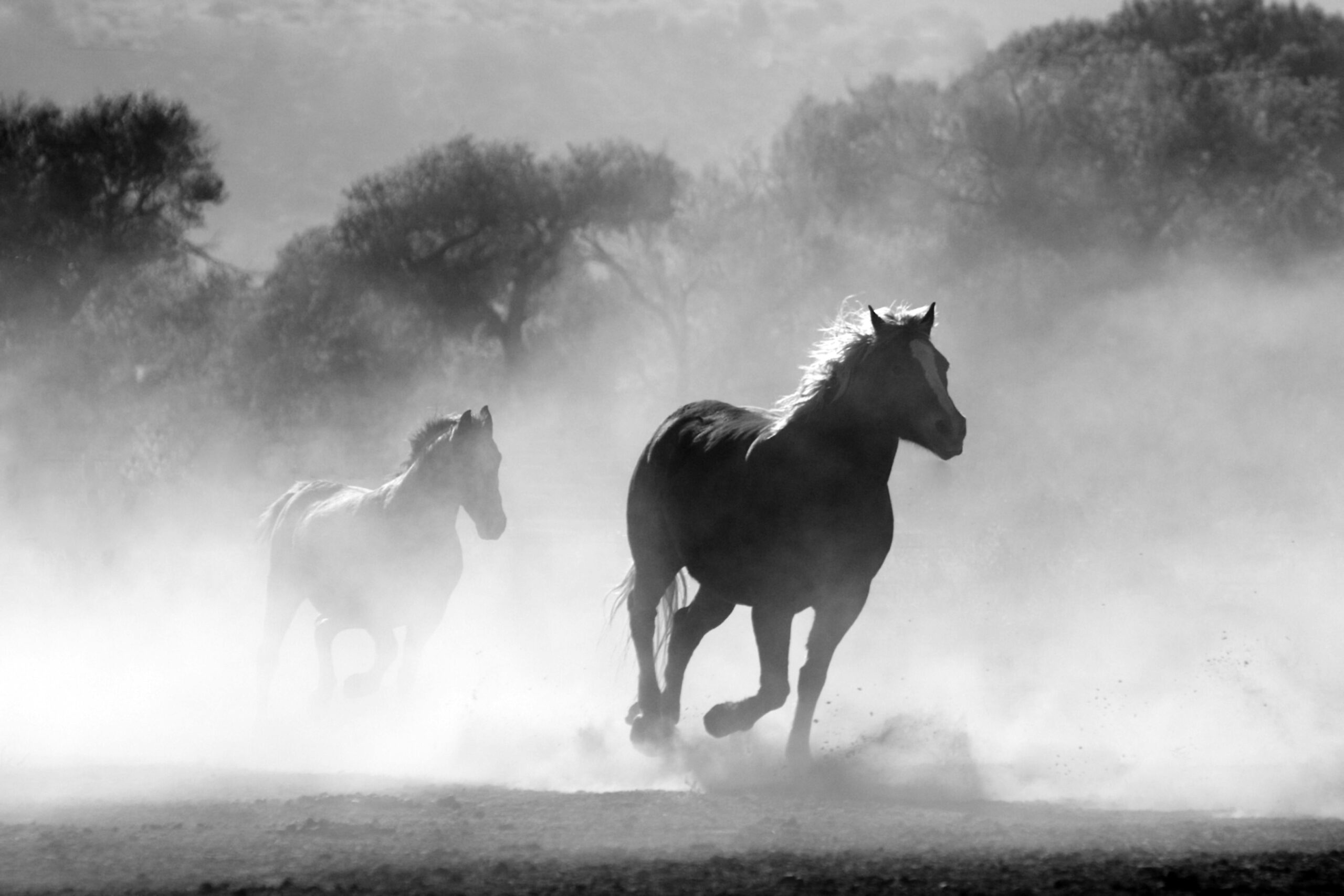
    Horses in Their Natural Environment

    Horses have roamed the Earth for millennia, adapting to diverse environments and developing unique social structures. This article explores the natural habitats of wild horses, analyzes their behaviors, and highlights the importance of preserving their ecological roles.

    The Evolution and Behavior of Wild Horses

    The evolution of wild horses is a remarkable journey that reflects their adaptability and resilience in the face of changing environments. Originating from the prehistoric Eohippus, a small animal that inhabited the forests of North America over 50 million years ago, horses have undergone significant evolutionary changes to adapt to various habitats around the globe. With their ancestors migrating across continents, species such as the Equus caballus emerged. This species includes the wild horses we see today, which have adapted to thrive in diverse terrains ranging from arid deserts to expansive grasslands.

    Among these descendants, the Przewalski’s horse stands out as a symbol of wild equine resilience. Native to the steppes of Central Asia, this species is the only true wild horse still in existence today. Przewalski’s horse, recognized by its stocky build and unique facial markings, has evolved to survive in harsh climates, characterized by extreme temperatures and limited food resources. Its diet primarily consists of grasses, herbs, and shrubs, showcasing a remarkable ability to extract nutrients from coarse vegetation often found in its native habitat. The horse’s tolerance for the region’s aridity is essential for its survival, allowing it to go for long periods without water.

    In contrast, the mustangs of North America offer a fascinating glimpse into the life of feral horses that have descended from domesticated ancestors. These horses roamed freely after the Spanish colonization, establishing their herds throughout the expansive western plains. Unlike the Przewalski’s horse, mustangs exhibit a broader genetic diversity due to interbreeding with domesticated horses. They have adapted to a wide range of environments, from the rocky terrains of the Rocky Mountains to the open grasslands of the Great Plains. Their flexible feeding habits enable them to thrive in varying ecosystems, allowing them to consume tough grasses and other vegetation that many other herbivores avoid.

    Social structures among wild horses are as intricate as their evolutionary history. Both Przewalski’s horses and mustangs live in herds, which are typically composed of a lead mare, several females, and their young. The lead mare plays a vital role in maintaining herd cohesion and navigating their environment. Stallions, often fiercely protective, establish ranks within the group and help defend against predators. This social behavior fosters a strong sense of community, which is critical for survival in the wild. The formation of these herds contributes to the health and stability of their populations, as they support cooperative foraging and alert each other to danger.

    Horse herds also interact significantly with their ecosystems. As herbivores, they play a crucial role in preventing overgrowth of grasslands, which promotes biodiversity and supports a range of other species within their habitats. Their grazing patterns can create disturbances that encourage the growth of new plant species, subsequently benefiting smaller herbivores and other wildlife. Moreover, their movement through the landscape aids in seed dispersal, contributing to plant diversity and the health of the ecosystem.

    Understanding the evolution and behavior of wild horses provides insight into their ecological roles and the challenges they face today. Recognizing their complex social structures and feeding habits is essential for conserving these magnificent animals and their habitats in an ever-changing world.

    Preservation of Wild Horse Habitats

    The preservation of wild horse habitats is a crucial aspect of ensuring the survival of these magnificent creatures, as they face numerous threats that jeopardize their existence. One of the most significant challenges stems from human encroachment, which manifests itself through urban development, agriculture, and infrastructure expansion. As cities grow and agricultural land spreads, the natural ecosystems where wild horses thrive are increasingly fragmented. This disruption not only limits their access to food and water sources but also isolates populations, making it difficult for them to connect and breed effectively.

    Climate change is another pressing factor that directly impacts the habitats of wild horses. As temperatures rise and weather patterns shift, the delicate balance of ecosystems is altered, resulting in the degradation of grazing lands and water availability. Droughts become more frequent, affecting the forage that wild horses rely on for nutrition. Moreover, extreme weather events—such as floods and wildfires—further destroy habitats, forcing wild horses to migrate in search of sustenance. These changes disrupt the longstanding social structures and migratory patterns of wild herds, which can be detrimental to their survival.

    In response to these threats, various conservation efforts have emerged across the globe. Organizations dedicated to wildlife preservation have initiated programs aimed at securing land for wild horse populations and restoring their natural habitats. These efforts often involve collaboration with governmental bodies, private landowners, and local communities to establish protected areas that can serve as sanctuaries for wild horses. By creating these safe spaces, conservationists aim to mitigate the effects of habitat loss, allowing wild horses to roam freely and thrive in their natural environments.

    Reintroduction programs also play a vital role in the preservation of wild horse populations. For instance, in areas where these horses have become extinct or nearly disappeared, conservationists often work to reintroduce individuals from healthy populations to restore genetic diversity and strengthen the ecological balance. These initiatives require careful planning, including habitat assessments to ensure that the reintroduced horses will have access to adequate resources and that they will not disrupt existing ecosystems. This delicate process is essential in allowing wild horses to regain their rightful place in the untamed landscapes they once roamed.

    The importance of protecting natural environments cannot be overstated. Healthy ecosystems not only benefit wild horse populations but also support countless other species that share the same habitat. Biodiversity is crucial for the resilience of ecosystems, allowing them to recover from disturbances and maintain their functionality. By ensuring that wild horses have access to their natural environments, conservationists also safeguard other flora and fauna involved in the same ecological networks.

    Public awareness and engagement are key components in the fight to preserve wild horse habitats. Advocacy campaigns help educate communities about the importance of wild horses and their ecological roles. Volunteering for conservation organizations or participating in community events focused on habitat protection can create a sense of shared responsibility and stewardship. Furthermore, promoting sustainable land-use practices can minimize human impacts on wild horse habitats, fostering a coexistence approach that respects both human activity and wildlife conservation.

    The survival of wild horses is intricately tied to the health of their natural environments. By addressing the pressing threats posed by human encroachment and climate change, and by supporting conservation efforts and reintroduction programs, we can pave the way for these iconic animals to flourish once more in the wild landscapes they have inhabited for centuries. Through collective action and dedication to preserving their habitats, we can ensure that future generations will witness the beauty and majesty of wild horses in their natural world.

    Conclusions

    In conclusion, understanding horses in their natural habitats allows us to appreciate their ecological significance and the need for conservation efforts. By protecting these majestic creatures and their environments, we ensure they can thrive for generations to come.