
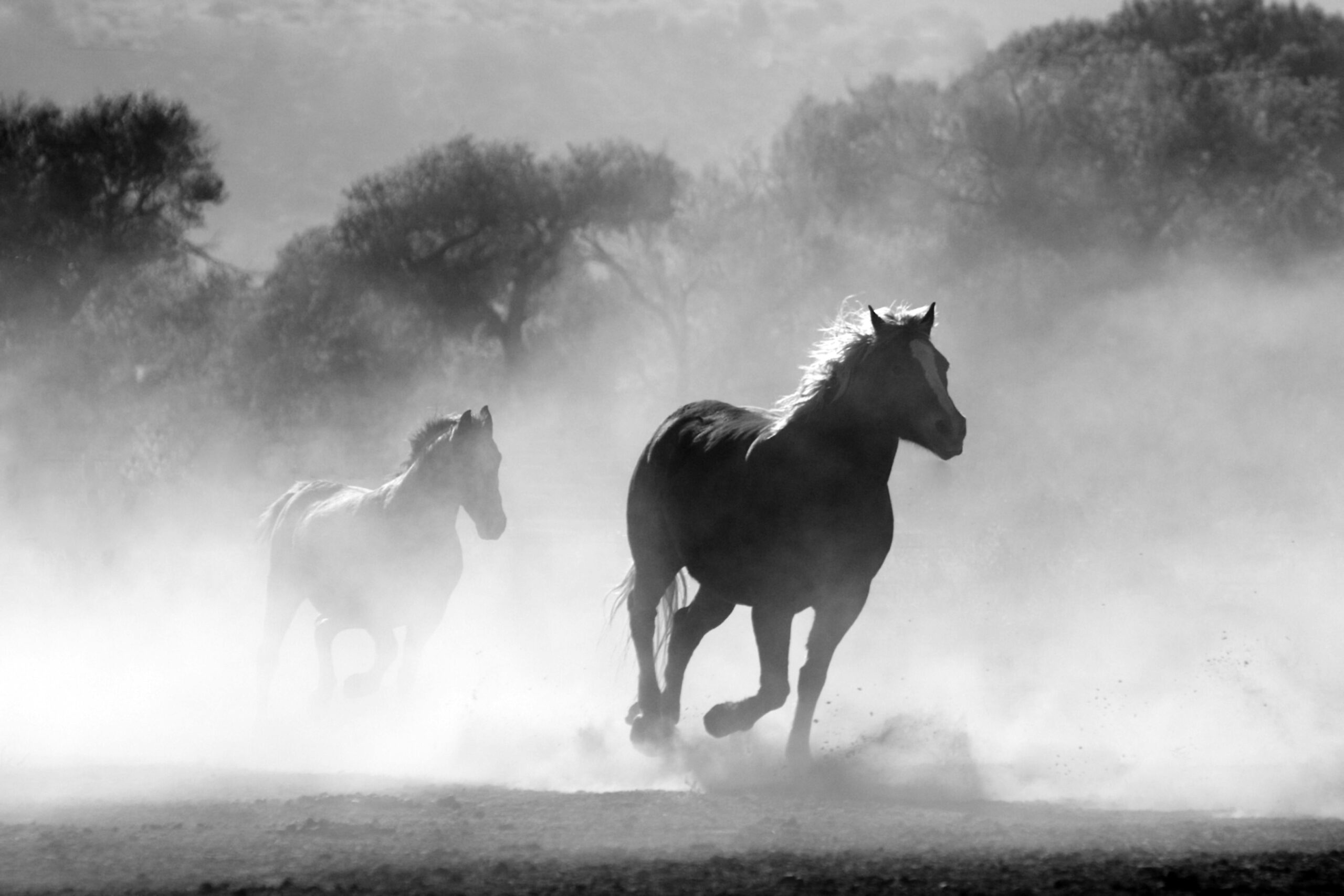
Horses have roamed the Earth for millennia, adapting to diverse environments and developing unique social structures. This article explores the natural habitats of wild horses, analyzes their behaviors, and highlights the importance of preserving their ecological roles.
The Evolution and Behavior of Wild Horses
The evolution of wild horses is a remarkable journey that reflects their adaptability and resilience in the face of changing environments. Originating from the prehistoric Eohippus, a small animal that inhabited the forests of North America over 50 million years ago, horses have undergone significant evolutionary changes to adapt to various habitats around the globe. With their ancestors migrating across continents, species such as the Equus caballus emerged. This species includes the wild horses we see today, which have adapted to thrive in diverse terrains ranging from arid deserts to expansive grasslands.
Among these descendants, the Przewalski’s horse stands out as a symbol of wild equine resilience. Native to the steppes of Central Asia, this species is the only true wild horse still in existence today. Przewalski’s horse, recognized by its stocky build and unique facial markings, has evolved to survive in harsh climates, characterized by extreme temperatures and limited food resources. Its diet primarily consists of grasses, herbs, and shrubs, showcasing a remarkable ability to extract nutrients from coarse vegetation often found in its native habitat. The horse’s tolerance for the region’s aridity is essential for its survival, allowing it to go for long periods without water.
In contrast, the mustangs of North America offer a fascinating glimpse into the life of feral horses that have descended from domesticated ancestors. These horses roamed freely after the Spanish colonization, establishing their herds throughout the expansive western plains. Unlike the Przewalski’s horse, mustangs exhibit a broader genetic diversity due to interbreeding with domesticated horses. They have adapted to a wide range of environments, from the rocky terrains of the Rocky Mountains to the open grasslands of the Great Plains. Their flexible feeding habits enable them to thrive in varying ecosystems, allowing them to consume tough grasses and other vegetation that many other herbivores avoid.
Social structures among wild horses are as intricate as their evolutionary history. Both Przewalski’s horses and mustangs live in herds, which are typically composed of a lead mare, several females, and their young. The lead mare plays a vital role in maintaining herd cohesion and navigating their environment. Stallions, often fiercely protective, establish ranks within the group and help defend against predators. This social behavior fosters a strong sense of community, which is critical for survival in the wild. The formation of these herds contributes to the health and stability of their populations, as they support cooperative foraging and alert each other to danger.
Horse herds also interact significantly with their ecosystems. As herbivores, they play a crucial role in preventing overgrowth of grasslands, which promotes biodiversity and supports a range of other species within their habitats. Their grazing patterns can create disturbances that encourage the growth of new plant species, subsequently benefiting smaller herbivores and other wildlife. Moreover, their movement through the landscape aids in seed dispersal, contributing to plant diversity and the health of the ecosystem.
Understanding the evolution and behavior of wild horses provides insight into their ecological roles and the challenges they face today. Recognizing their complex social structures and feeding habits is essential for conserving these magnificent animals and their habitats in an ever-changing world.
Preservation of Wild Horse Habitats
The preservation of wild horse habitats is a crucial aspect of ensuring the survival of these magnificent creatures, as they face numerous threats that jeopardize their existence. One of the most significant challenges stems from human encroachment, which manifests itself through urban development, agriculture, and infrastructure expansion. As cities grow and agricultural land spreads, the natural ecosystems where wild horses thrive are increasingly fragmented. This disruption not only limits their access to food and water sources but also isolates populations, making it difficult for them to connect and breed effectively.
Climate change is another pressing factor that directly impacts the habitats of wild horses. As temperatures rise and weather patterns shift, the delicate balance of ecosystems is altered, resulting in the degradation of grazing lands and water availability. Droughts become more frequent, affecting the forage that wild horses rely on for nutrition. Moreover, extreme weather events—such as floods and wildfires—further destroy habitats, forcing wild horses to migrate in search of sustenance. These changes disrupt the longstanding social structures and migratory patterns of wild herds, which can be detrimental to their survival.
In response to these threats, various conservation efforts have emerged across the globe. Organizations dedicated to wildlife preservation have initiated programs aimed at securing land for wild horse populations and restoring their natural habitats. These efforts often involve collaboration with governmental bodies, private landowners, and local communities to establish protected areas that can serve as sanctuaries for wild horses. By creating these safe spaces, conservationists aim to mitigate the effects of habitat loss, allowing wild horses to roam freely and thrive in their natural environments.
Reintroduction programs also play a vital role in the preservation of wild horse populations. For instance, in areas where these horses have become extinct or nearly disappeared, conservationists often work to reintroduce individuals from healthy populations to restore genetic diversity and strengthen the ecological balance. These initiatives require careful planning, including habitat assessments to ensure that the reintroduced horses will have access to adequate resources and that they will not disrupt existing ecosystems. This delicate process is essential in allowing wild horses to regain their rightful place in the untamed landscapes they once roamed.
The importance of protecting natural environments cannot be overstated. Healthy ecosystems not only benefit wild horse populations but also support countless other species that share the same habitat. Biodiversity is crucial for the resilience of ecosystems, allowing them to recover from disturbances and maintain their functionality. By ensuring that wild horses have access to their natural environments, conservationists also safeguard other flora and fauna involved in the same ecological networks.
Public awareness and engagement are key components in the fight to preserve wild horse habitats. Advocacy campaigns help educate communities about the importance of wild horses and their ecological roles. Volunteering for conservation organizations or participating in community events focused on habitat protection can create a sense of shared responsibility and stewardship. Furthermore, promoting sustainable land-use practices can minimize human impacts on wild horse habitats, fostering a coexistence approach that respects both human activity and wildlife conservation.
The survival of wild horses is intricately tied to the health of their natural environments. By addressing the pressing threats posed by human encroachment and climate change, and by supporting conservation efforts and reintroduction programs, we can pave the way for these iconic animals to flourish once more in the wild landscapes they have inhabited for centuries. Through collective action and dedication to preserving their habitats, we can ensure that future generations will witness the beauty and majesty of wild horses in their natural world.
Conclusions
In conclusion, understanding horses in their natural habitats allows us to appreciate their ecological significance and the need for conservation efforts. By protecting these majestic creatures and their environments, we ensure they can thrive for generations to come.