Managing a horse property effectively requires the right farm equipment to ensure the care, safety, and well-being of your equine companions. From feeding to grooming, different tools and machines can enhance daily operations and improve the overall experience for both horses and owners. This article explores essential farm equipment tailored for horse properties, guiding you to make informed choices.
Key Equipment for Daily Horse Care
In the daily routine of caring for horses, having the right equipment is vital to ensure their health, comfort, and overall well-being. Each tool plays a critical role, transforming what can be a labor-intensive process into a more efficient, pleasurable experience. Below are some essential pieces of farm equipment that every horse owner should consider for daily care.
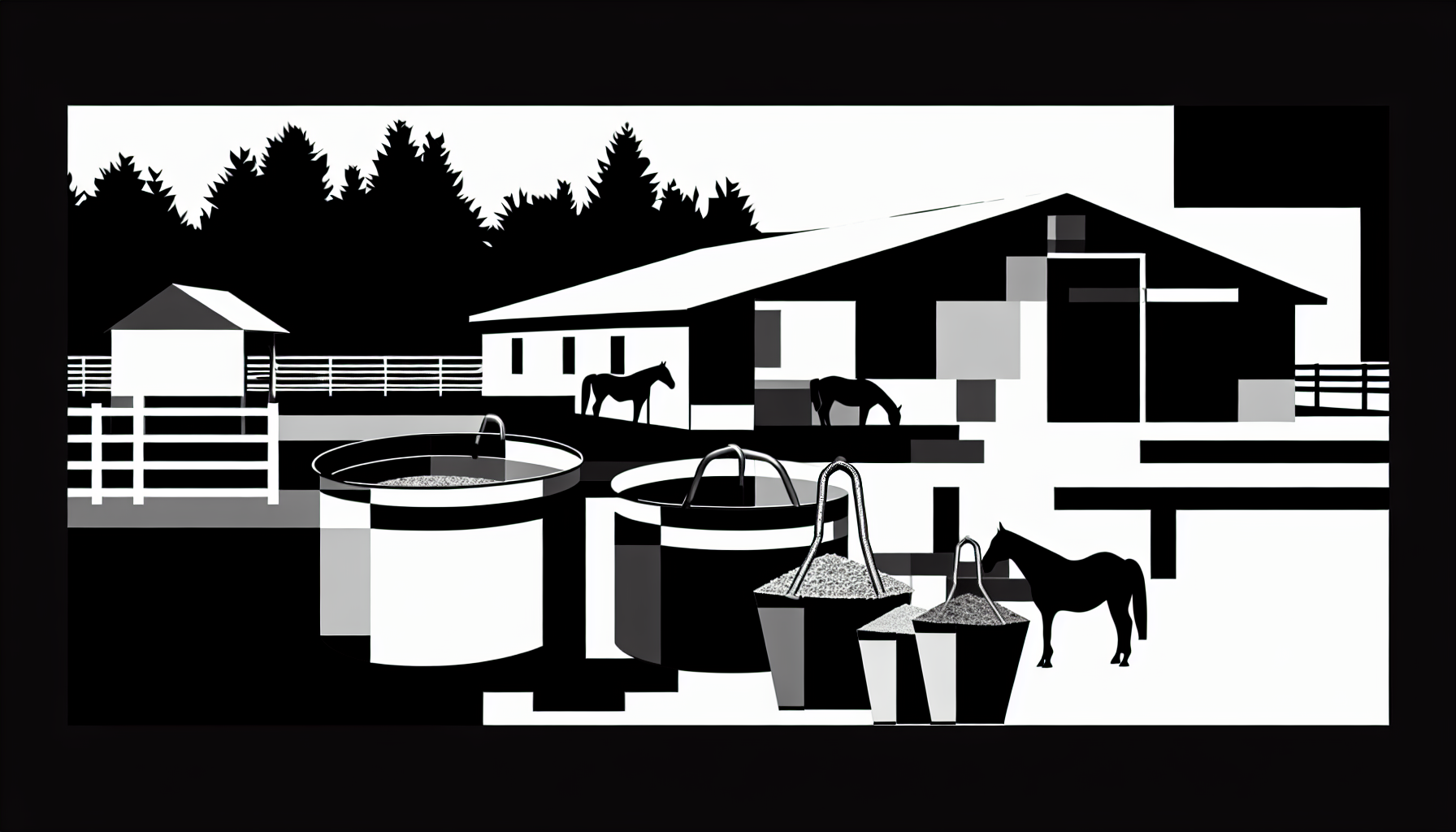
**Feed bins** are foundational for any equine facility. They protect feed from contamination and spoilage, ensuring that horses receive high-quality nutrition. Choosing a feed bin with airtight seals is important to avoid pests and spoilage due to moisture. Many horse properties benefit from multiple bins, each designated for different types of feed, supplements, or treats. This organization not only streamlines the feeding process but also simplifies the management of nutrition regimes, allowing owners to pay careful attention to the dietary needs of each horse.
**Hay nets** are another integral part of horse feeding. They allow horses to eat hay at a slower pace, mimicking natural foraging behavior. This is particularly important for preventing digestive issues while also minimizing waste. Quality hay nets, made from durable materials and designed with small openings, can ensure that hay stays clean and accessible. Some advanced models even come with built-in feeding features that allow for the distribution of hay throughout the day, aiding in the management of a horse’s eating habits.
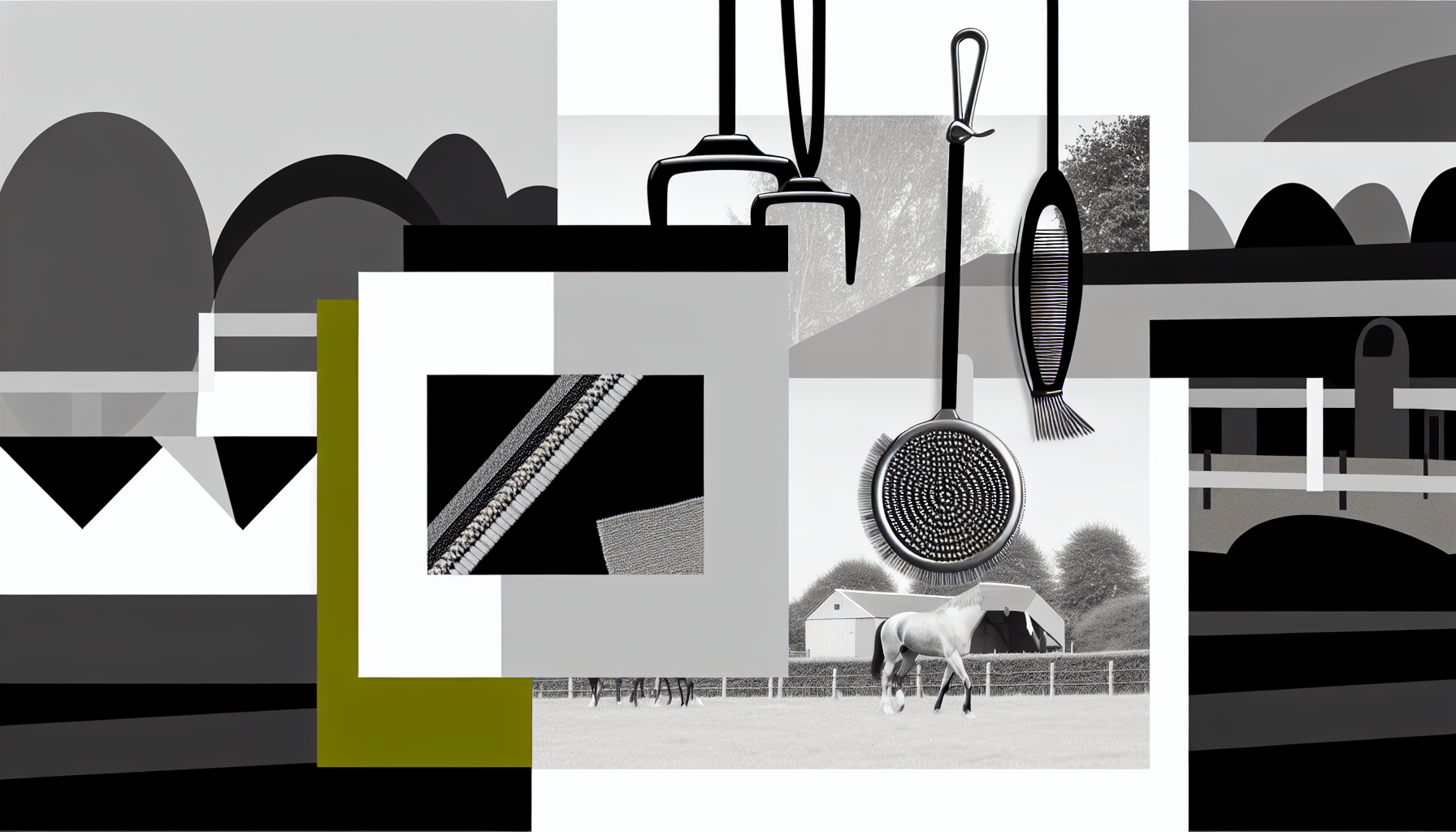
When it comes to the grooming process, a comprehensive **grooming kit** is indispensable. This kit should include brushes of various types—such as curry combs, body brushes, tail brushes, and hoof picks. Each tool serves a unique purpose, ranging from removing dirt and debris to promoting circulation in the horse’s skin and checking for injuries or skin conditions. Grooming not only enhances the horse’s appearance but is also crucial to maintaining their hygiene. Regular grooming helps to identify health issues early, as consistent check-ups can reveal cuts, swellings, or other signs of distress.
**Health monitoring devices** serve to further bridge the gap between routine care and proactive health management. Basic tools like thermometers, weight tapes, and pulse monitors should be on hand. For the more tech-savvy owners, wearable equine health monitors can track a horse’s heart rate, activity levels, and even sleep patterns. These devices provide invaluable data that can assist in recognizing health issues before they escalate and allow for a more tailored approach to each horse’s care. Ensuring comfort and detecting abnormalities early can save substantial veterinary costs and maintain the horse’s overall fitness.
Furthermore, the importance of maintaining a **clean environment** cannot be overstated. Items such as pitchforks, muck buckets, and wheelbarrows are essential for keeping stalls and paddocks free from waste. Daily clean-up minimizes the spread of disease and parasites, ensuring a healthier living space for the horses. Many horse owners find that investing in high-quality muck equipment not only makes the task easier but also more efficient, conserving energy for time spent riding or bonding with their horses.
Finally, an often-overlooked item in the equine care toolkit is a **first aid kit**. This should encompass basic necessities for treating minor cuts, abrasions, and other routine health issues. Supplies may include antiseptic solutions, bandages, veterinary scissors, and even cooling gel packs. Having a well-stocked first aid kit on hand allows owners to react quickly in emergencies, enhancing both safety and peace of mind.
With the right collection of equipment, daily horse care becomes manageable and ensures that horses thrive in a healthy, clean, and nurturing environment. Equipping oneself with these essential tools simplifies daily tasks, promotes proactive care, and creates a positive experience for both horse and handler.
Infrastructure and Equipment for Horse Management
When it comes to creating a successful equine facility, the infrastructure and equipment play a crucial role in supporting horse management. The design and functionality of these components significantly contribute to the overall health and safety of horses, while also promoting effective care and exercise. Understanding these elements will help horse owners optimize their properties, ensuring that both the animals and caretakers thrive.
Barn design is the cornerstone of any horse property. A well-constructed barn provides shelter from the elements, ranging from inclement weather to extreme temperatures. The barn should feature ample space for each horse, typically at least 12×12 feet stalls that allow for comfortable movement. Ventilation is vital; ensuring proper airflow prevents respiratory issues and reduces moisture build-up that can lead to mold and disease. It’s recommended to incorporate windows and vents that can be adjusted according to seasonal changes. Additionally, aisles should be wide enough to accommodate equipment and allow for easy passage during care routines. The flooring of the barn is another key aspect; options like rubber mats or well-draining materials can enhance safety by providing a non-slip surface and minimizing fatigue on the horse’s legs.
Another critical aspect of horse management infrastructure is fencing. Safe and secure fencing not only confines horses to designated areas but also protects them from potential hazards and predators. Common fencing materials include wood, vinyl, and high-tensile wire, each with unique benefits. Wood fencing, while aesthetically pleasing, requires regular maintenance to prevent rot and splintering. Vinyl offers a low-maintenance option with durability, but it can be more expensive. High-tensile wire provides an effective barrier for large pastures but may require additional safety precautions to minimize injury risks. Horse owners should always consider their location, number of horses, and budget when choosing fencing options.
Turnout equipment is another essential component to consider. Paddocks and pastures should be designed with enough space for exercise, ideally allowing at least 1-2 acres per horse to promote mental stimulation and physical health. Moreover, it’s wise to feature a separate turnout area that includes a run-in shed for shelter during harsh weather. This allows horses to engage in natural behaviors while ensuring they have easy access to protection from sun and rain. To facilitate safe turnout, installing gates that open easily from both sides and are sturdy can enhance convenience.
Riding arenas are vital for the training and exercise of horses. An ideal riding arena should be designed with appropriate drainage to prevent waterlogging while providing a level riding surface to enhance safety. Sand and fiber mixtures often make excellent footing, allowing for proper grip while reducing the risk of injury from slipping. Establishing a lighted arena enables extended use during early morning or evening hours, and including jumps or obstacles can promote a more engaging training experience.
Beyond shelter, turnout, and riding facilities, tractors and other heavy machinery are invaluable tools for land management on horse properties. Tractors can facilitate the maintenance of pastures through tasks such as mowing, harrowing, and spreading compost. Regular upkeep of pastures is essential to prevent overgrazing and promote healthy grass growth, directly benefiting the horses’ diets. Additionally, using a tractor for spreading mulch or gravel in walking paths not only enhances aesthetics but also promotes drainage, reducing the occurrence of muddy areas.
Investing in proper infrastructure and equipment supports efficient horse management practices, ultimately fostering an environment conducive to the well-being of both horses and humans. Creating safe, functional spaces tailored to the needs of horses will lead to successful management and enhance the enjoyment and efficiency of equine care. Ensuring proper shelter, space for exercise, and effective land management tools leaves horse owners equipped with the means to support their equine companions optimally.
In summary, equipping your horse property with the right tools is vital for maintaining the health and happiness of your horses. By investing in essential daily care equipment and establishing appropriate infrastructure, you ensure a sustainable and efficient environment. When managed well, your property can thrive as a safe haven for your equine friends.